

What’s Really in Your Food?
💭 What’s Really in Your Food?
In today’s world of ultra-processed snacks, long ingredient lists, and picture-perfect packaging, we can no longer rely on appearance alone to know what’s truly in our food. And when you care about your energy, hormones, skin, digestion or just want to feel good in your body, this matters more than ever.
So let’s talk about what’s hiding behind the labels, and why learning to read them could be one of the most powerful acts of self-love.
Food Additives: What You Need to Know
We’ve all heard of food additives. But how many of us take the time to understand them?
The truth? More and more women are waking up to the health benefits of real, unprocessed food—and beginning to question the synthetic ingredients added to extend shelf life, boost flavour, or enhance colour. That awareness is a beautiful thing.
While some additives are naturally derived (like vinegar or salt, used for centuries to preserve food), most modern ones are synthetic—born out of fast-paced lifestyles and consumer demand for bold flavours and long-lasting products. The result? A diet higher in refined, processed food… and a greater intake of artificial additives.
Additive Basics
Food additives are substances added to food to change or preserve its taste, texture, appearance, or freshness. Not all additives are harmful, but many are entirely unnecessary, and some can come with risks.
Long-life milk, for example, is processed but doesn’t require chemical additives. Yet many snacks and packaged foods are loaded with synthetic flavour enhancers, sweeteners, or colourings purely to make them more “marketable.”
And the concern isn’t just about one additive. It’s the combination of hundreds consumed over time that raises questions, especially when most are tested in isolation.
Labels Don’t Always Tell the Whole Story
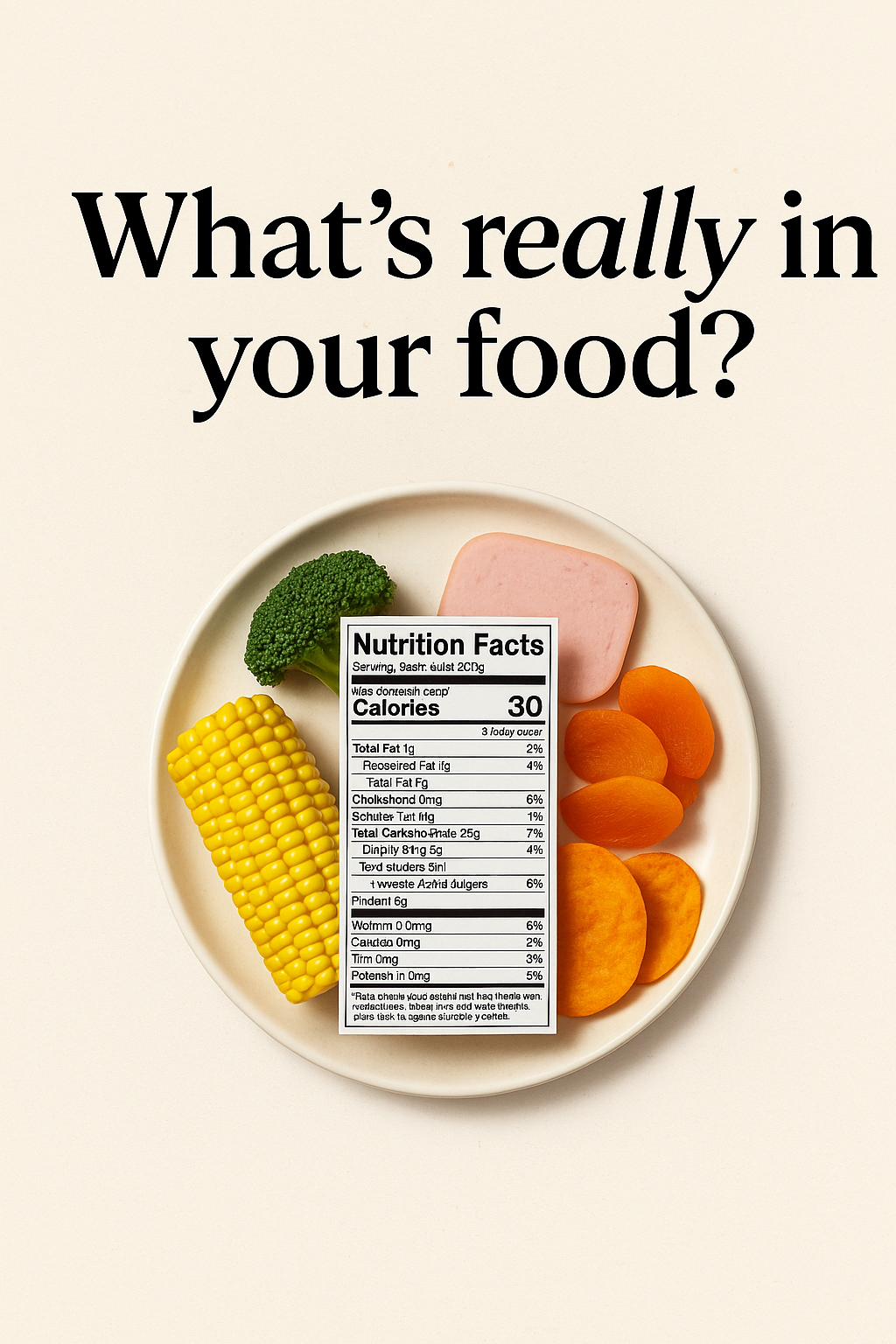
Think you’re in the clear because a label says “no artificial additives”? Be cautious. Ingredients like “margarine” may contain additives, but only the umbrella name will appear on the packaging.
If it reads like a chemistry textbook, it’s worth questioning. Familiarising yourself with common additives is a simple way to protect your body from unnecessary exposure.
E-Numbers: Not Always the Villain
Let’s bust a myth: not all E-numbers are bad.
An E-number simply means the additive has been approved for use in Europe. Even natural compounds, like vitamin C (E300), carry E-numbers. The takeaway? Learn to distinguish the natural from the synthetic—and don’t fear the “E” blindly.
But Are Food Additives Safe?
This question doesn’t have a simple answer. While many additives are deemed “safe,” their long-term effects (especially in combination) remain uncertain.
Some people are sensitive to additives and may experience:
-
Headaches or brain fog
-
Skin flare-ups or itching
-
Bloating or digestive discomfort
-
Breathing issues like asthma or sinus reactions
-
Behavioural shifts like anxiety or hyperactivity
One 2007 study by the UK’s Food Standards Agency, published in The Lancet, linked certain additives to increased hyperactivity in children. And in 2008, the American Academy of Pediatrics acknowledged low-additive diets as valid interventions for children with ADHD.
So, even if a chemical is “approved,” does that mean it supports your wellbeing?
Additives to Watch Out For
Here are a few of the most concerning:
-
Monosodium Glutamate (MSG, E621): A flavour enhancer linked to migraines and asthma. Common in instant meals and takeaways.
-
Aspartame: Found in diet sodas and sugar-free products. Breaks down into formaldehyde and other harsh substances in the body.
-
Sulphites: Used in dried fruits and wine. It can trigger asthma in sensitive people.
-
Propionates: Common in bread and cheese. May cause nasal congestion, stomach pain, or memory issues in high doses.
-
Synthetic Antioxidants (BHT, BHA): Found in crisps and margarine. Linked to fatigue, insomnia, and learning difficulties.
-
Artificial Colours (e.g. E102, E160b): Can trigger allergic reactions or behavioural issues in kids.
Categories of Additives You May See
Additives fall into various roles. A few examples:
-
Preservatives
-
Flavour enhancers
-
Acidity regulators
-
Emulsifiers
-
Sweeteners
-
Thickeners
-
Glazing agents
-
Anti-caking agents
-
Colouring agents
-
Stabilizers
There are over 3,000 additives in circulation globally, most of them synthetic.
What Can You Do?
-
Read labels. If it sounds like a lab experiment, skip it.
-
Choose whole, organic, and unprocessed foods when you can.
-
Teach your children to question ingredients, not just packaging.
-
Focus on nourishing your body with nature, not numbers.
Because when you know what’s in your food, you take back control of your health and that’s real power. That’s LoveSelf.